Visar inlägg med etikett strategy games. Visa alla inlägg

september 04, 2014

Jyutei Senki, Super Famicom


During the weekend I suddenly suffered a tooth inflammation that made it hard to eat, drink, swallow and gave me a lot of pain. Unable to do anyting, I sat down with a strategy game I had, Jyutei Senki.


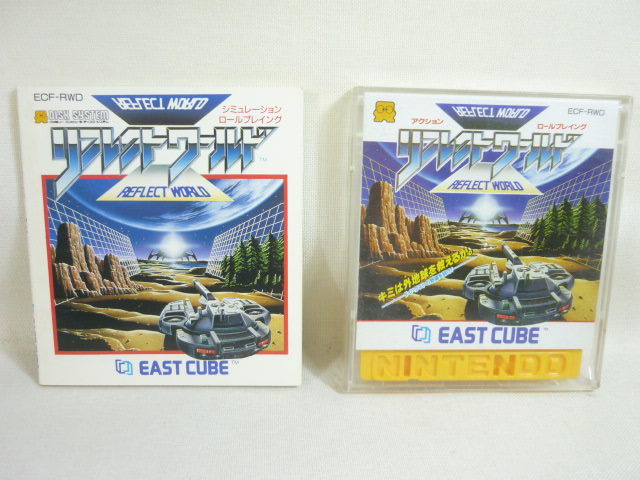
It has a beautiful box, but I only have the cart at the moment.

I enjoy strategy games. Back when I was a teenager I spent many hours on the PC with games such as Command & Conquer: Red Alert and Heroes of Might and Magic IV. There is an appeal to me in being able to build something good that outsmarts the opponent, without ever feeling like I have to do work myself. The action does itself, and I am the military leader who builds smart strategies. A nice feeling when you plan a battle so that you know in the end your own guys will be able to just barely beat out the enemy and win the scenario.

Also, the computer can never cheat in strategy games. You can see what he has and you both have the same resources at your disposal. He has to follow the same rules as you. And, you can save and load at any time. So you can't blame your loss on a mistake or bad luck. 

Game Description

Jyutei Senki was only released in Japan. It was developed by Tam-Tam and produced by Enix and I would call it a light weight strategy game. I was happily surprised that it required no Japanese knowledge at all. Most Japanese strategy games I've tested so far seem to want to add complexity such as byuing and selling, reparing, and an abundance of options.

I'll show you someone elses video, because it goes faster than my gameplay. Here is a gameplay I enjoyed with someone playing the fan-translated version , and you see the intro and such. Normally I don't like to link to other's videos because I found that people often remove them!

_

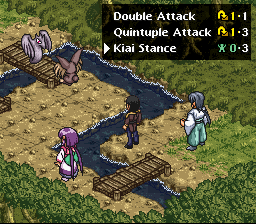
Jyutei Senki is simplistic. Take turn to move your units, and if they are close to an enemy unit, they can attack, and the enemy can retiliate. Each unit has a strength and attack range, and all that other stuff we expect from strategy games.

One little extra in this game are the repair spots. Put a unit on it, and the next move it will be fully healed. This is a tremendous advantage if used smart. You can restore your strongest unit from almost dead to completely restored in just one move. You can even place a unit on the repair spot and wait for enemies to attack (and give them retaliate damage), only to have yourself healed the next round.

Another thing that one might not be used to is that from each scenario, your units will get taken to the next scenario. But the ones that died won't come back. With each kill, a unit gets upgraded up to a max of 10 when it becomes "ace" and will get an extra power upgrade. You don't want them dead at that stage! So save often to avoid it... And try to keep your units alive.

The computer isn't particularly smart and often attacks you on repair spots. It also fondly attacks your most useless units first instead of finishing off your strongest units, puts its weakest units in front of its stronger units so they can't pass, and so on. Computer stupidity is one of your main advantages.

My story

Well, as it so happens, I started from a save game on level 7 without knowing. It took me a little while to understand how to play, and unfortunately I didn't understand this "don't die" thing too well at first. Your leader, a big bird called Ark, is stupidly weak until he gets 10 kills, but then he becomes the best unit of the game! So upgrade him quickly, and don't have him killed. He will, unlike other units, return in each new scenario, but at any level below 10 he is a useless crap that just dies as soon as battle starts. If he dies he will restart at level 0 again.

I played through the first couple of stages at about 40-60 minutes each. How many are there?? After each scenario it just says "to be continued". At around stage 12 it started getting more difficult, and I realized I should have upgraded other units earlier.

The gamefaqs FAQ (http://www.gamefaqs.com/snes/570965-jyutei-senki/faqs/39388) goes up to 17 scenaries, but the FAQ is incomplete. The game has 20 scenarios! The last 5 scenarios took me around 2,5 - 3 hours each, except the very last that took less than an hour.

The reason why the later scenarios took much long were:
  • The computer moves take so long. He moves each unit one at the time, and when he has many it will take around two minutes per move. ("beer time")
  • I had to restart a couple of times because I realized my strategy was bad. For example, I had to keep my flying birds alive, and kill off his flying birds quicker.
  • Many Save and Load. Make a bad move and see your strong unit get killed off three moves later, you might have to reload from an earlier point. If it still can't be avoided that this or some other important unit dies, you might have to reload from an even earlier point. You can use a max of three save game slots, so use them wisely.
  • I hadn't upgraded properly and was almost much worse than the opponent and had to find tricks to beat him, at the same time keeping my best troops alive.
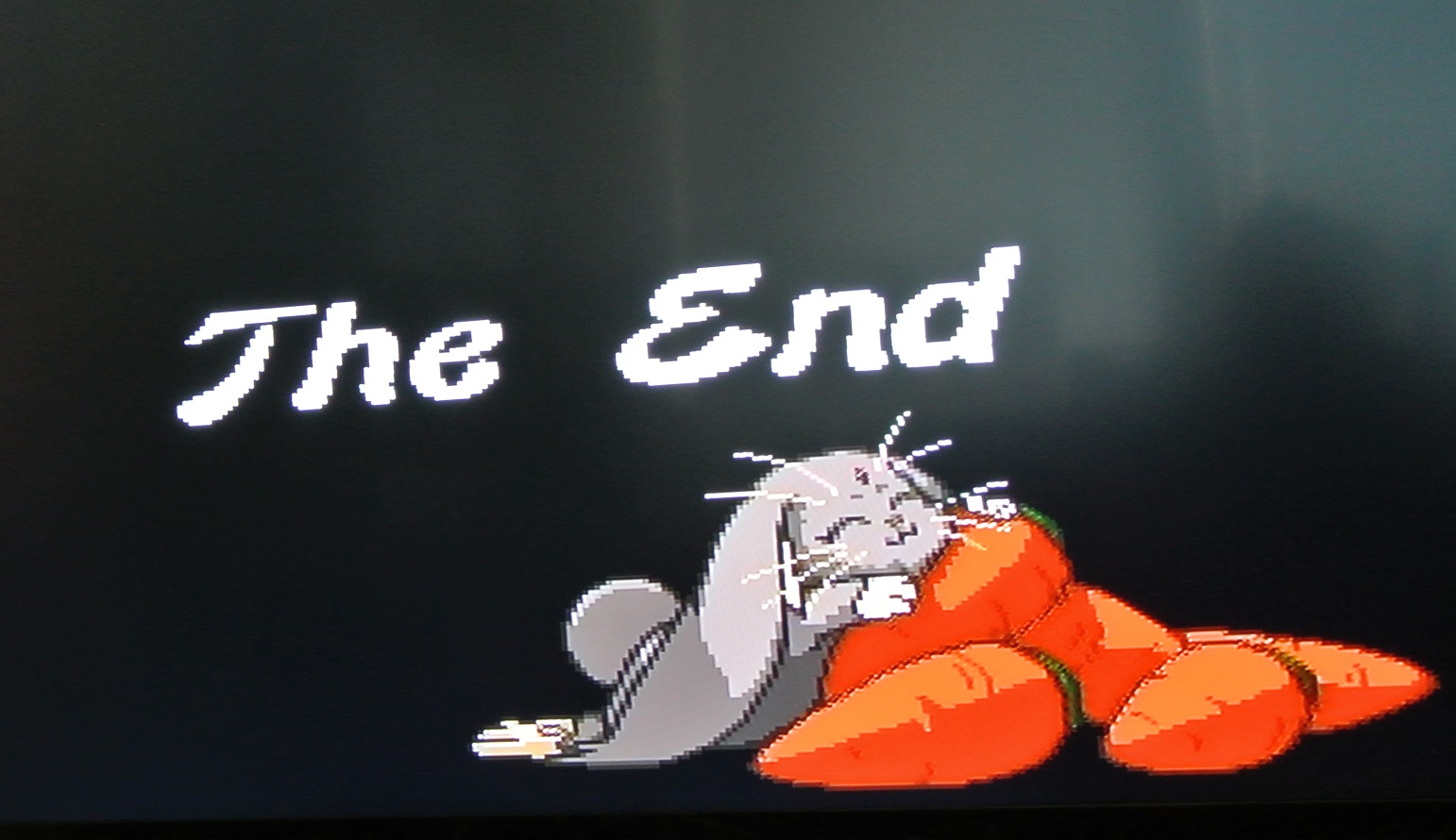
Well, like a mad military commander I kept playing a couple of hours each night. Finally, Wednesday night, I beat the final scenario and the game. The ending was satisfactory. After the scenario mode there are expert scenarios you can play, if you want even more challenge.

I don't think this game has anything that can't be found in some app game but I am happy to have beaten this classic 1993 game, in case I ever make a list of games beaten. Starting from level 7 without knowing, it took a total of 25-30 hours, I think. It could have gone in at least half the time if I had known how to play from the beginning.

Here are some other reviews:
  • http://www.videogameden.com/sfc.htm?jse (Jyutei Senki is a fun and unusual War Game. Its overall design is extremely well worked out and unique. Graphics are correct and perfectly fit the game's theme, especially the large animated scenes displayed during battles. However, the difficulty level is quite high. Most of the time any defeated units is lost, and this makes the outcome of any battle greatly influence the rest of the game, especially in later stages. All in all, an excellent game I would recommend to any fan of the genre brave enough to stick out its tough difficulty level. )
  • http://www.gamefaqs.com/snes/570965-jyutei-senki/reviews/review-56263 (This game is not for the faint of heart. It's very good, but the high difficulty level really turns a lot of people off of this game. Maybe if someone makes a PAR faq, it'll become more popular. But if you want a real thinking strategy, then you have found it.)

mars 19, 2014

Populous on pc engine


Populous is known as a strategy cult classic. I decided that I should finally give it a try.


It was made by Bullfrog, the innovative company that also made Magic Carpet and Syndicate I have blogged about earlier, as well a Theme Park and other popular titles that usually had some strategy element.

Populous were their second game but their first popular title. It was released in 1989.
In the original PC version you of course use a mouse. On SNES and SFC the game supports a mouse too. However, on Pc Engine you have to use a controller. I still think it plays okay. The game is also completely in English, just as the Japanese Super Famicom version.

_
You raise the land and the population starts building houses. After a while your mana goes up so you can move over to your opponent and create mountains among his houses so they get destroyed. You can also send in a knight to destroy his houses.

Other options you can click is to create a leader, to set your villages in Attack mode, to move the Papal symbol closer to the front to make your villagers stronger.

Then, when your mana is much stronger than your opponents, you can click on the skull to enter Armageddon mode. Then all villagers go together in a final battle against the opponent and you win. That's about it.

_
The main annoyance I have with this game is the lack of anything to do. It feels like a simplistic strategy game, simpler than any I have played before. The amount of things you can do are maybe 5-10.

Sunteam_paul personally enjoys this game, which is unusual for his pc engine reviews (http://pcengine.co.uk/HTML_Games/Populous.htm). There are also many other positive reviews and youtube comments for the game. Personally I will compare it to a version of Sim City where the only thing you do is lower and raise land, create disasters, and set your villagers in fight mode at times.

The downside with the Pc Engine version is that you don't have any save function and I don't think you even unlock anything. Instead you can load any of the 199 levels right from the start. According to what I've read the game was supposed to have a save function. It either became to expensive or they couldn't technically do it. This omission makes the game feel incomplete and takes away the feeling of accomplishment when playing.

I think the game could be interesting from a historically point of view or for someone who would like to play a simplistic building-strategy game where you don't need to have too many things to keep in mind. 

december 22, 2013

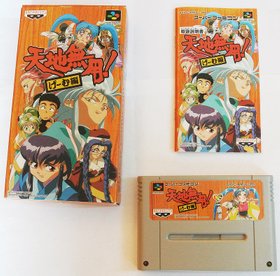
Tenchi Muyo! RPG, super famicom

Except for retro games, my colleague Kristin also likes some Japanese animes and manga. Here follows her review of this game on to which we put an English translation. 

Written By: Kristin
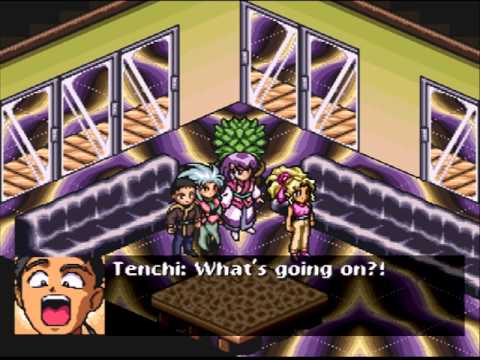
There are many Japan-exclusive strategy games, one of them is Tenchi Muyo! Game Hen, also known as Tenchi Muyo RPG in the inofficial translation. The game was developed by Banpresto and was released on the Super Famicom in 1995. If you ever saw the anime or read the manga, you will probably recognize most of the characters presented during the game: main character Tenchi, Princess Ayeka, Ryoko the demon, Mihoshi the space cop, cat-bunny Ryo-Ohki and so on. But this game introduces two new characters, never seen outside of this game: the girls Mizuki and Kusumi.


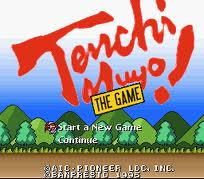
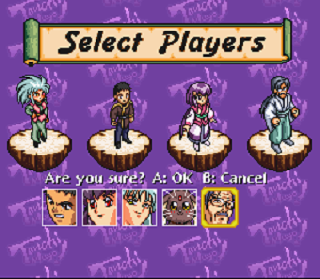
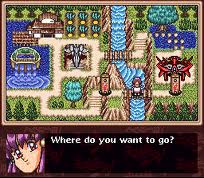
These screen shots are from the english translation which we can add to a physical, original cart.


Kusumi, an old classmate to the scientist Washu, is filled with revenge. During the game, you fight monsters who are summoned by Kusumi, but also by Mizuki - the girl who suddenly appears during the first scene. At first, she works as Kusumi's right hand - to do the dirtywork; for example kidnapping princess Sasami (also known as Pretty Sammy).

But when Tenchi and the gang manage to rescue Sasami, Mizuki is abandoned by Kusumi who in turn kidnaps Ryoko the demon. Mizuki now joins Tenchi and she becomes a playable character. By using her knowledge and Ryo-ohki's ability to transform into a space ship, they follow Kusumi to the moon where she continues her revengeful plans.


These screen shots are from the english translation which we can add to a physical, original cart.

All characters have different abilities; pros and cons. Some are naturally weaker, some a bit slower, while others can move around more freely. You can level up your characters up to level 8 but you are limited to use only four characters for each game.

To make a character level up, he or she needs to make the decisive hit, making the monster die. Just like in many other games, each character also has its unique set of attacks, which grows in numbers when they level up.

The game is really short in comparison to many other strategy games, but even if reaching the end isn't that difficult, there are many extra gaming hours to gain, plus some bonus characters. You have the possibility to go back to places where you already visited.


If you like this series since earlier, you won't be disappointed. There are a lot of dialog and the chemistry between the characters are often familiar. The game is very well-made, and even if the dialog can get a bit messy at times with all the honorable titles, you are pretty forgiving once you start playing the battles. And it's hard to quit. Tenchi Muyo! RPG is, compared to other startegy-RPG titles, actually very easy-going where you won't have to deal with a heavy story line. So if you're curious on how these type of games work, this title could be a great starter before taking on the bigger and longer strategy-RPGs.

september 04, 2013

Tenchi Muyo! RPG till SFC


Det finns många strategispel som aldrig släppts utanför Japan, ett av dem är Tenchi Muyo! Game Hen, som även kallas Tenchi Muyo RPG i och med den inofficiella översättning som gjorts. Spelet utvecklades av Banpresto och släpptes till Super Famicom 1995.

Om man har sett på animen eller läst mangan så känner man nog igen de flesta karaktärer som presenteras under spelets gång: huvudpersonen Tenchi, Prinsessan Ayeka, den närgångna demonen Ryoko, rymdpolisen Mihoshi, katt-kaninen Ryo-Ohki med flera. Men det introduceras även två nya karaktärer som aldrig påträffas tidigare: tjejerna Mizuki och Kusumi.


Tenchi Muyo! RPG - titelskärm Tenchi Muyo! RPG - välj spelareTenchi Muyo! RPG - första kartan
Dessa skärmdumpar kommer från den engelska översättningen som vi kan flasha till fysisk original-kassett.


Kusumi är en gammal klasskamrat till vetenskapskvinnan Washu som är ute efter hämnd. Under spelets gång slåss man mot monster som är framkallade av Kusumi, men även av Mizuki - tjejen som plötsligt dyker upp i första scenen. Hon fungerar först som Kusumis utsända för att göra smutsjobbet; bland annat att kidnappa prinsessan Sasami (även känd som Pretty Sammy).

Men då Tenchi och gänget lyckas rädda Sasami så anses Mizuki ha misslyckats med sitt uppdrag. Hon överges därmed av sin chef som då istället kidnappar Ryoko. Tenchi och gänget tar då över stackars Mizuki på sin sida som först nu blir en spelbar karaktär. Med hjälp av hennes kunskaper och Ryo-ohkis förmåga att förvandla sig till ett rymdskepp, följer gänget efter den hämndlystna Kusumi då hon flyr iväg till månen för att fortsätta sina planer.

Tenchi Muyo! RPG - titelskärm Tenchi Muyo! RPG - välj spelareTenchi Muyo! RPG - första kartan
Dessa skärmdumpar kommer från den engelska översättningen som vi kan flasha till fysisk original-kassett.


Man spelar på ett rutnät snett ovanifrån och alla karaktärer har olika egenskaper; fördelar och nackdelar. En del är naturligt svagare, andra är lite långsammare, medan andra kan röra sig mer fritt. Man kan levla sina karaktärer upp till level 8 men egenskaperna är bestående oavsett level. Däremot så är man begränsad till fyra karaktärer per match.

För att en karaktär ska levla behöver han eller hon slå det avgörande slaget så att ett monster dör. Så som i många andra spel har varje karaktär unika attacker och magier som utökas allteftersom att var och en i deras level ökar.

Spelet är ganska kort i jämförelse med många andra strategispel men även om det går relativt snabbt att komma fram till slutet så finns det många speltimmar att hämta och olika karaktärer att hitta på vägen. Man har möjligheten att gå tillbaka till platser man redan har besökt.

Tenchi Muyo! RPG - slutskärm

Om man gillar serien sedan tidigare så kommer man inte att bli besviken. Det finns mycket dialog och kemin mellan karaktärerna känns ofta igen. Spelet är mycket välgjort, och även om dialogen lätt känns lite rörig då de alltid tilltalar varandra vid namn och hederstitlar, är man ganska förlåtande när man väl kommer igång att spela. Och det är dessutom svårt att sluta.

Tenchi Muyo! RPG är nämligen ett jämförelsevis lättsamt strategi-RPG där man slipper tung story som många andra spel inom samma genre kan ha. Så om man är nyfiken på hur den här typen av spel fungerar så kan denna titel vara en bra inkörsport till tyngre och definitivt längre strategi-RPG.

text av Kristin Loman.

juni 19, 2013

Reflect World till Famicom Disk System


Spelet släpptes bara till FDS i Japan, men är helt och hållet på engelska.

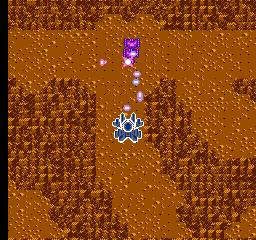
Det är ett action-strategispel där man huvudsakligen åker omkring och skjuter fiender. För varje fiende man dödar får man guld som kan användas för att köpa bättre vapen. Man aktiverar dessa via select-menyn.

Men först behöver man köpa en kanon. Den finns en shop som ligger i närheten av där man börjar. Bränsle är också bra att ha, då det representerar ens hälsa. Blir man träffad så förlorar man bränsle. Efter en snabb shoppingrunda är man redo för grottlaburinten.

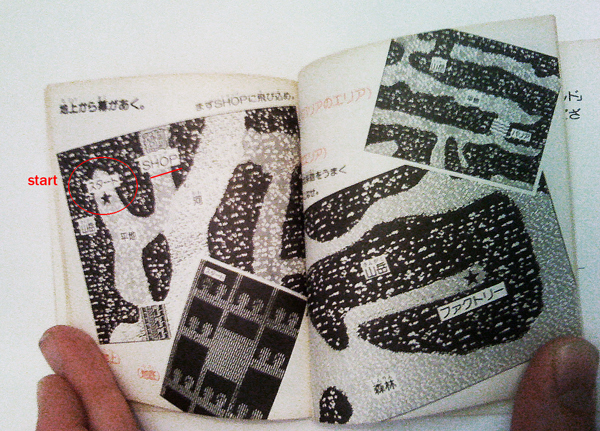
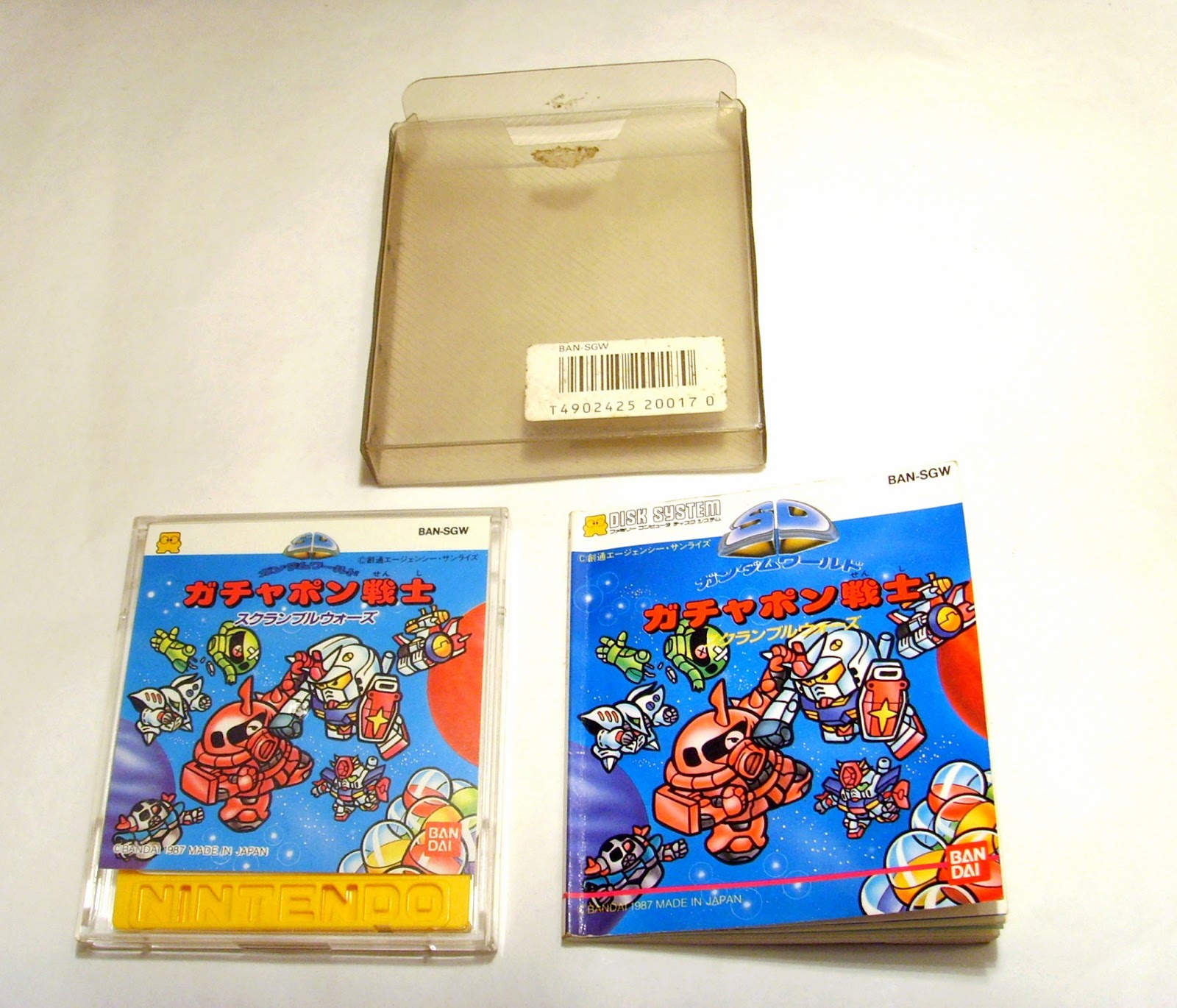
Manualen till spelet innehåller två kartor som är väldigt användbara. Vi har inte haft möjlighet att scanna in dem men i fotot här till höger ser man på ett ungefär. Här nedan är en egenillustrerad snabbversion av grottkartan.
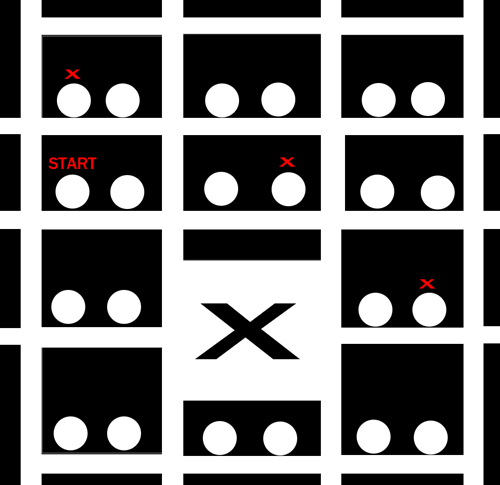
Ringarna representerar in/utgångar, de vita strecken är vägar. Grottan loopas vänster/höger, upp/ner, vilket kan vara förvirrande för nybörjare. Man kan använda det stora öppna fältet (markerat med stort X) som referenspunkt för att inte åka vilse. Startmarkeringen samt gångarna markerade med små x leder ut ur grottan.


För att göra saker ännu mer förvirrande fungerar det så att om man åker in i en gång som inte leder ut ur grottan, kommer man fram vid samma gång igen, men med en stor skillnad: någonting har omvänts! Nu kommer inte de markerade gångarna att leda ut längre. För att vända tillbaka detta måste man gå in i en gång som inte leder ut igen.

Det finns många uppdateringar att få. En gör att man kan skjuta sönder gräs, en annan att man kan köra över vatten. Det tar tid att spela detta spel och det kräver visst tålamod och engagemang. Då vi inte har hittat någon annan guide om detta spel på internet, hoppas vi att denna artikel kan vara en hjälp på traven. Har ni några frågor eller vidare information som kan vara användbar på hur man kommer vidare, kontakta oss gärna!

engelsk version: http://japanspel.blogspot.se/2013/05/reflect-world-for-famicom-disk-system.html

juni 17, 2013

Scramble Wars till Famicom Disk System


Japanska strategispel är oftast inte så populära här i väst eftersom att de tar lång tid att lära sig hur man spelar, och när man väl har lärt sig tar de även lång tid att ta sig igenom. Speciellt om det finns Story Mode med över 20 uppdrag och så vidare. Västländska spel som Red Alert är ingenting i jämförelse.

En bra sak med FDS-versionen är att man faktiskt får slåss med robotarna själv. I Super Famicom-versionen ska tydligen denna funktion ha tagits bort. FDS-versionen av detta spelet har även ett 2-playerläge som togs bort i versionen till Game Boy Advance.

Väldigt lite information ges om hur man spelar spelet, men det är ändå positivt överaskade hur enkelt spelet är att förstå. Man kan i princip börja spela direkt. Inget Story Mode, bara välj ett av 10 uppdrag. Kan man inte japanska så kan det vara svårt att förstå menyerna exakt, men man behöver inte kunna läsa japanska för att spela.

När spelet väl startar kan det ta ett tag att förstå strategi-idén. Ett tips är att testa sig fram och bara starta om spelet när man har förstått hur det fungerar. När man väl kommit igång så är det inga större svårigheter.

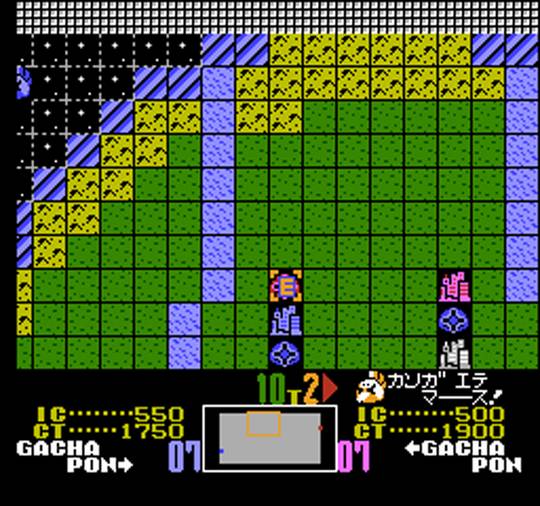
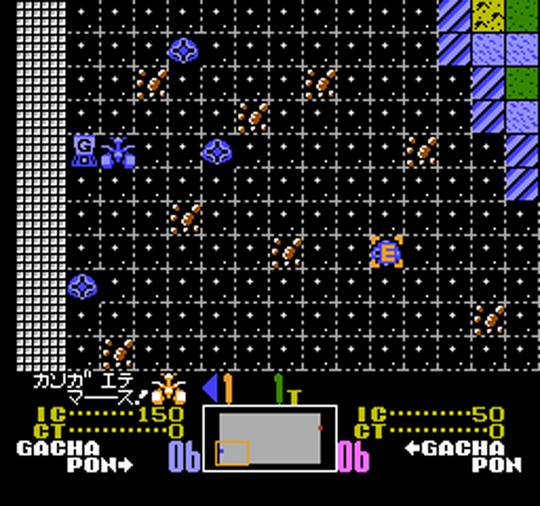
Man spelar på en karta. Bilderna visar exempel på hur det kan se ut. Man har en bas där man bygger sina robotar. Deras namn, pris och stats visas i engelska och/eller siffror. Fienden har också sin egen bas. Målet är att förstöra fiendebasen. På kartan finns syns ett antal städer och småbaser som du kan ta över. De kan öka din inkomst. Din inkomst visas under "IC" längst ner till höger. "CT" står för befintligt kapital.

Förstår man inte japanska så är det svårt att läsa informationen om robotarna i manualen. Men de viktigaste statsen är hälsa och antal moves. Vapen är också viktigt men generellt är det så att om det är dyrt så är det bra!

Idén bygger på att du rör dina robotar runt på kartan. Det är enkelt att förstå så det är ingen mening att gå igenom detaljer här, men det kan vara bra att veta att man kan avsluta sin tur genom att trycka A+B.

När det är datorns tur tar det ett tag för AI't att göra sitt drag, men i ett strategispel som detta gör det inte så mycket då man ändå använder tiden för att tänka ut sitt egna nästa drag. Eller varför inte ta en öl?

När din robot möter en fienderobot, kommer man till stridsskärmen.


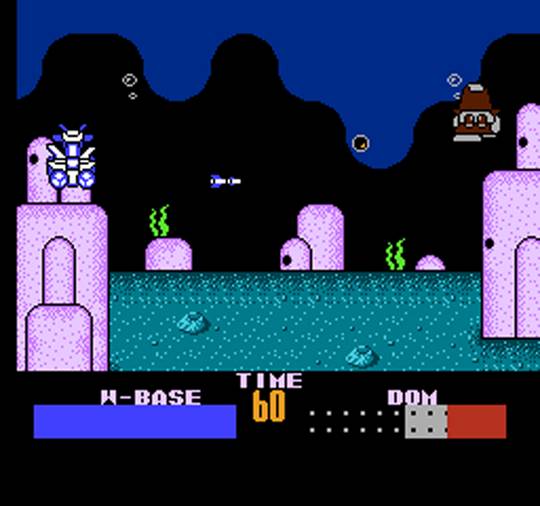
Stridsskärmen ser olika ut beroende på vilken terräng du är i. Just på denna bilden ovan är det undervattensterräng. Som man kan se så har roboten 'W-Base' mycket mer i hälsa, och har även missiler att skjuta med. Striderna kan verka svåra vid första anblick, men det finns små trix att lära sig. I rymdstriderna kan man till exempel stanna på botten och bara skjuta. Datorn är ganska aggressiv så det är oftast bäst att bara vänta på att han ska anfalla och sedan bara skjuta ner honom. Ett annat knep är att gå tillbaka till hembasen då och då för att fylla på hälsa.

Prisera på robotarna är väldigt olika. Den dyraste är just W-Base och den kostar 8000 'money'. 'DOM' är en av de billigaste som bara kostar 500. W-Base är dessvärre inte bra på att strida på grund av hans vapen som inte räcker så långt, så det är bättre att istället köpa Psyco Gundam eller ZZ-Gundam som kostar 4500 styck. I början av spelet har man inte så mycket pengar så då är det nog bättre att satsa på en Bound-Dog för 2500 eller en Gundam for 1500 money.

Ju fler baser man tar över, desto mer pengar tjänar man varje runda, vilket i sin tur leder till att man kan köpa bättre robotar. Svårare än så är det inte. I slutet får man slåss mot basväktaren och förhoppningsvis vinner man.


strategywiki.org är man konstigt nog negativt inställd till spelet. (Vad förväntar de sig egentligen, save states?) Hur som helst så är det är roligt spel. Man kan faktiskt spara på kartbilden genom att trycka på start (eller var det select?) och trycka "Yes". Då kan man välja 'continue' nästa gång man startar spelet.

engelsk version: http://japanspel.blogspot.se/2013/03/sd-gundam-world-scramble-wars-for-fds.html

april 28, 2013

Syndicate for SNES, a deeper look


I mentioned Syndicate in my second last post. I wasn't sure if I could play it in Japanese, but yesterday I put some effort to find out.

UPDATE 2013-12-05: We have now uploaded a video about this game:


Controls
Syndicate was first released on a PC with mouse control. Luckily they didn't keep that control function on the SNES. Instead you press a combination of buttons.
To change the menu, press L or R. To enter a menu, press Y. Here you can press A to do something, or B to cancel, or X to switch something (such as between buy and sell). Left and Right change between characters in the menu. In the game, Select makes a team follow or unfollow. Y+Left/Right switches between team member. X+Left/Right switches between weapons. X+Up picks up a weapon and X+down drops a weapon. A fires and B enters/exits cars. R makes it possible to get a temporare boost extra energies you have. L+R boosts all energies at the same time.

It takes a little while to learn the controls but not too bad. The game may not be that great without mouse but it is definitely playable as I will show, even in the Japanese version. I don't know if anyone else would want to play this game in Japanese, but if you do, with some basic Katakana knowledge you'll be able to play with little problems.

How to play
There is a lot that could be said about the game. I made some use of the strategyguide at http://www.gamefaqs.com/snes/588769-syndicate/faqs/35052 to get instructions, even if the FAQ isn't completely accurate for the Japanese version.

The basics are:

* There is always one of 3 things you have to do: kill someone, persuade someone, or pick up a suitcase.

* Persuade is a very important concept. In order to persuade you have to buy "the persuader" as i did in the beginning of the video. With this item you Persuade others to follow you. Just Equip it and stand close to the person you have to Persuade. There are some other factors to know about Persuasion too, and they are explained in the Gamefaq article above. Important: If you Persuade people, you have to take all of them with you to the exit or else you can't exit. If your persuaded person lose sight of your guy, they will start to walk around. Sometimes inside buildings. And you might have to go around looking for them. This was not explained in the FAQ and got me stuck for 3 hours when I first played.

* You also have to upgrade your cyborg with "brain". You can upgrade your weapons, research ways to improve your cyborg, there are other agents out to get you (which you can kill or persuade to make them part of your team). The upgrades do different things. Upgrade Eye to spot the enemy earlier. Upgrade Body to give a stronger armor. Upgrade Leg to run faster. Arm will make your shot more accurate. Etc.

I found out that the SNES version has a password option, but the Super Famicom version has a Continue option. So there is a battery save after each mission. Even if you fail a mission (such as killing someone you should have persuaded) you can just restart the mission, You can also just wait at the menu to accumulate money so you can buy upgrades you need (it will take a long boring time to use that strategy).

Also, the game has a two player mode. You play at the same time on the screen, controlling different characters. I think this mode could be fun for someone who enjoys to walk around and shoot without too high of a challenge. Maybe for someone who wants to play with their kid.


My impressions
I liked the game, but there are so many countries that I didn't manage to played to the end. After the first 20 or so missions all upgrades will be completed and there are still 20 missions left. The game will get quite simple and there isn't much challenge or variation. I wish they would have made the game 50% shorter, and put in some cut scenes to liven it up. Now it's just mission after mission. Completing the rest would probably take me another 15 hours, but I probably won't do it.

I still think it is a nice game with original ideas. There is too much for me to describe briefly here, but it isn't too complicated. Clearly, since I was able to play the Japanese version. I could mention the graphics, the strategy aspect, the shooting aspect, the freedom to build as you want... I could mention how the SNES and MD versions are the same, but both these 16-bit versions are different than the PC version. A PSP version released in 2006 is actually the SNES version run in an emulator. The PC ( and Mac ) version has a lot of great reviews here, maybe I'll try it out some time. The Amiga version has good reviews too, but at the moment I am into Japanese video games only.

The save function makes this game game not that hard to beat if you have the persistance. So I think anyone could complete this game, japanese version or not.

mars 02, 2013

SD Gundam World: Scramble Wars for FDS


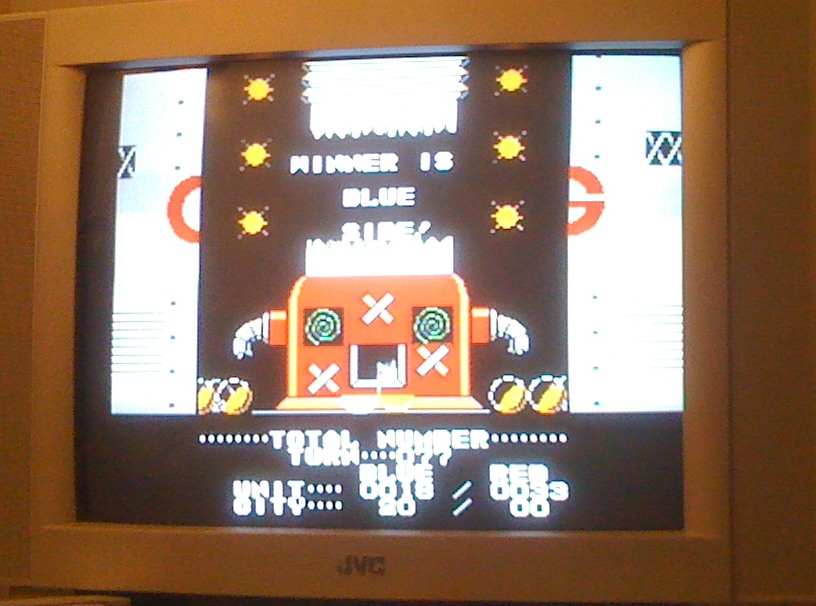
I received a bunch of FDS games recently and one of them was Castlevania. But when I wanted to play it, it was overwritten with SD Gundam. This has happened once before, with the Legend of Zelda. I decided that if a game is good enough that people rewrite Castlevania and Zelda, I should at least try it. No one ever bought my boxed copy so I had actually unlisted it. Here is a new photo I had to take.
Maybe I should relist the game.

I don't generally like strategy games because they often take a long time to learn and then a long time to play. Especially if there is a story mode with 20 or so missions you go on. I remember I played Red Alert to the end when I was younger, but even then I felt the courses took too long.

In SD Gundam World: Scramble Wars (with the full title also including Gachapon Senki) you use robots to fight with. I think in the Super Famicom games they removed that aspect, and the robots do the fighting by themselves. I'll have to try those games some other time. My quest is to play all the good 8-bit games before I move on to the 16 bit games, and then later other consoles.

I was pleasantly surprised by SD Gundam World: Scramble Wars . There is very little information on how to play the games. I just picked it up and start playing. There is no story mode I can see, you just select one out of 10 missions. I didn't understand the menu after that, maybe you select a difficulty level there. Once playing, I had to restart twice until I understood the exact strategy, but after that I played a good 4 hours until I beat the first course.  I think it was straight forward and not too difficult.

There are some loading time and "thinking" time for the computer AI, but I will say that in a strategy game it doesn't matter that much because you can spend your time thinking what you'll do next. Or you can grab a beer, or just watch the computer play.

My strategywiki "hero" who has written so many helpful articles is negative about this game. (http://strategywiki.org/wiki/SD_Gundam_World_Gachapon_Senshi_-_Scramble_Wars) What's the matter punk, emulator save states didn't help you? Well I had a fun with it. I spend most of the night. You can actually save your progress by just pressing Start (or is it select) in the map mode and press "Yes". Then it gets saved to the disk and you select Continue next time. But I prefer to play in one sitting.


Well alright. You play on a map screen. A part of it will look like these pictures.

You have a home base were you build your robots. The opponent also has a base. The goal of the game is to take the opponent's base. From the home base you select which robot to build. Its name, cost and move stats will be displayed in English or in numbers.

On the map are a number of cities or small bases that you can take. They will increase your income. Income is where it says "IC" in the bottom right. "CT" is how much Capital you currently have.

The manual has explanations on all robots in Japanese I don't understand. But the important stats are: Health, and Moves they have. Weapon is also important but generally if it is expensive it has good weapons.

The idea is that you move your robots around on the screen. I won't bother with the details because you'll understand them quickly. You might want to know that you can end your turn early by pressing A+B.

When your robot encounters an opponent's robot, the screen with become a battle screen.
What battle screen depends on the terrain you are in. This one is underwater. As you can see, the W-Base robot has a lot more health, and it also has a missile to shoot with.  The battles may seem difficult at first, but I figured out a little trick in the space battles: stay at the bottom and just shoot. The computer is quite aggressive so it is often better to wait for him to attack and just shoot him down.

I learnt that a robot get his health restored when he goes to one of the bases. That is an important strategy element.

The cost of the robots are very different. The most expensive is W-Base that costs 8000 "money". The DOM is the third cheapest unit, costing only 500 money. The W-Base is however not a great fighter because he has no short range weapon, so I would prefer to build the second most expensive units: Psyco Gundam or ZZ-Gundam. They cost 4500 money. Early on in the game you don't have so much money to spend and it may be more useful to build cheaper units that are still powerful, such as the Bound-Dog for 2500 or the Gundam for 1500.

The more bases you take, the more money you'll make each round, which will enable you to buy better robots. That's all there is to it. In the end you'll fight the opponents base keeper, and then you win.


The FDS game also has a two player mode. This was removed on the Game Boy Advance version.